Zen is a form of Buddhist practice that originated in India, traveled through China, and ultimately flourished in Japan.
It’s not simply a religion, but a method of deep self-exploration through zazen (sitting meditation) and mindfulness.
The goal of Zen is to return to one’s true nature, focusing on the present moment and practicing awareness in daily life.
It teaches us to clear the mind of distractions, release attachments, and find peace through simplicity.
Contents
What is Zen?
Zen comes from the Sanskrit word “dhyana”, meaning meditation.
It became a central practice within Mahayana Buddhism and emphasizes direct experience over theoretical knowledge.
Unlike other religious practices that focus on worshipping deities, Zen is more about self-discovery.
Practitioners aim to break free from societal conditioning, allowing them to connect with their most authentic selves.
By doing so, Zen helps individuals reach enlightenment, the ultimate realization of truth and peace.
Applying Zen in Daily Life

Zen is more than just meditation—it’s a way of life.
The philosophy encourages being fully present in all daily activities, whether that’s eating, working, or cleaning.
For example, practicing mindful breathing while doing chores can transform routine tasks into moments of peaceful reflection.
Zen offers a path to simplicity, teaching us to let go of excess material possessions, unnecessary worries, and constant comparisons to others.
Key Practices of Zen

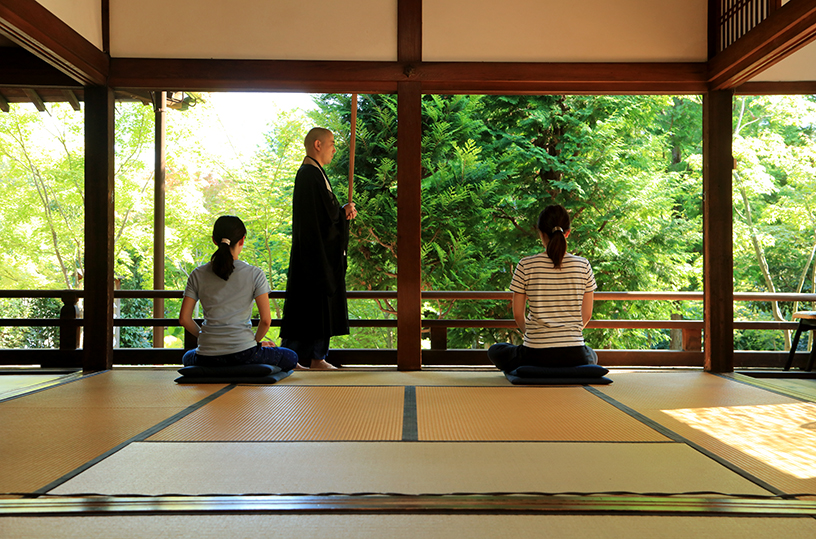
1. Zazen (Sitting Meditation): The core of Zen practice, zazen involves sitting quietly, focusing on the breath, and observing thoughts without attachment. This practice cultivates mental clarity and calmness.
2. Mindfulness: Zen encourages mindfulness in every moment, helping people become more aware of their actions, surroundings, and feelings.
3. Letting Go: Zen philosophy teaches the importance of non-attachment, allowing individuals to free themselves from desire and anxiety by accepting things as they are.
Zen in Relationships

In personal interactions, Zen encourages deep listening and acceptance of others without judgment.
It helps foster better communication by allowing individuals to fully engage with the present moment, understand others’ perspectives, and avoid reacting based on preconceived notions or emotions.
Zen’s Global Influence

Zen has transcended cultural boundaries, influencing art, architecture, and even business practices globally.
Its teachings have shaped Japanese gardens, tea ceremonies, and martial arts, emphasizing balance, simplicity, and harmony.
Today, many Westerners practice Zen not only for its spiritual benefits but also for its stress-relieving qualities.
Conclusion

Zen’s simplicity and focus on the present offer a practical path to personal peace and fulfillment.
By integrating Zen practices into daily routines, anyone can experience a more mindful, balanced, and harmonious life.
Whether through meditation, minimalism, or mindful action, Zen provides tools for cultivating an enriched, peaceful existence.